2026
The Psychology Behind Useful Corporate Gifts (Why Kitchen Items Work)
By aditya

Some gifts get used every day for years. Others end up in a drawer, regifted, or thrown away within weeks.
The difference isn’t just about quality or price. It’s about psychology. How people receive, process, and integrate gifts into their lives follows predictable patterns. When you understand these patterns, you can choose gifts that create lasting impact rather than momentary appreciation.
In this guide, we’ll explore the psychology behind useful corporate gifts and explain why kitchen items consistently outperform other gift categories.
The Problem with “Nice” Gifts
Most corporate gifts fall into one of two categories: consumables or decoratives.
Consumables include gift baskets, wine, chocolates, and food items. They create a brief moment of enjoyment, then they’re gone. Within weeks, clients have nothing to remind them of your gesture.
Decoratives include artwork, figurines, and display items. They require clients to find space in their homes, match their existing decor, and commit to displaying something they didn’t choose. Most end up in closets or donation piles.
Both categories fail for the same reason: they don’t integrate into daily life. They exist outside the client’s routine rather than becoming part of it.
Useful gifts work differently. They solve problems, serve purposes, and become tools clients reach for repeatedly. This integration is where lasting impact happens.
The Psychology of Utility
When someone receives a useful gift, several psychological processes activate.
Practical value creates gratitude. Gifts that solve real problems generate deeper appreciation than gifts that simply look nice. A Santoku Trimmer that makes meal prep easier creates genuine thankfulness every time it’s used.
Daily use builds emotional connection. Repeated interaction with an object strengthens the association between that object and its giver. Each time your client uses a custom cutting board, they subconsciously think of you. Over a year, that’s hundreds of positive associations.
Quality signals respect. A premium, well-made tool communicates that you invested thought and resources into the relationship. Cheap promotional items communicate the opposite.
Ownership enhances value. Psychologists call this the “endowment effect.” Once people own something and integrate it into their lives, they value it more highly than identical items they don’t own. A Cutco knife becomes “my knife,” not just “a knife someone gave me.”
These psychological mechanisms explain why useful gifts outperform decorative or consumable alternatives. They become part of the client’s identity and daily experience.
Why Kitchen Items Excel
Among useful gifts, kitchen items hold a special position. Here’s why they work so well.
Universal relevance. Everyone eats. Everyone prepares food. Everyone uses their kitchen. Unlike hobby-specific gifts that might miss the mark, kitchen tools apply to virtually every recipient.
Daily frequency. Most people interact with their kitchen multiple times per day. Breakfast, lunch, dinner, snacks, coffee, entertaining. Each interaction is an opportunity for your gift to create a brand impression.
Emotional context. Kitchens are where families gather, meals are shared, and memories are made. Gifts used in this space become associated with positive emotional experiences like holiday dinners, birthday celebrations, and everyday family moments.
Display opportunities. Quality kitchen items often stay visible on counters rather than hidden in drawers. A beautiful Signature Series Wilmy Cutting Board displayed prominently serves as constant visual branding.
Longevity. Premium kitchen tools last for years or even decades. A Cutco knife with the Forever Guarantee literally lasts a lifetime, creating brand associations that span generations.
This combination of universal appeal, daily use, emotional context, visibility, and longevity makes kitchen items the ideal corporate gift category.
The “Guilt Pile” Problem
Every household has one. A collection of gifts that were nice enough to keep but not useful enough to actually use. They sit in closets, gather dust in spare rooms, or occupy drawer space indefinitely.
This “guilt pile” represents failed gifting. The recipient felt obligated to keep the item but derives no value from it. Worse, every time they see it, they feel mild guilt about not using something someone gave them.
Useful gifts avoid the guilt pile entirely. A Spatula Spreader doesn’t sit unused because it serves a purpose. A 30oz Tumbler gets grabbed every morning for coffee. These items earn their place in the household through genuine utility.
When your gift avoids the guilt pile, it avoids the negative associations that come with it. Instead of mild resentment, you generate ongoing appreciation.
Brand Impressions Through Repeated Use
Marketing professionals talk about “impressions,” the number of times someone sees your brand. Traditional advertising generates impressions through paid media. Useful gifts generate impressions through daily life.
Consider the math:
A custom engraved cutting board used for meal prep gets seen 2 to 3 times daily. Over a year, that’s roughly 1,000 brand impressions. Over five years, it’s 5,000 impressions. Over the product’s lifetime, potentially 15,000 or more.
Compare this to a gift basket that gets consumed in a week or a decorative item that gets stored in a closet. The impression differential is enormous.
Now add personalization. When that cutting board features the client’s family name alongside your subtle branding, every impression reinforces both the personal connection and your professional presence.
Products like Cutco knives, drinkware, and kitchen tools all generate these repeated impressions through natural daily use.
The Social Proof Effect
Useful gifts create opportunities for organic endorsement.
When a client hosts a dinner party and pulls out a beautiful engraved cutting board, guests notice. They ask about it. The client tells the story of the thoughtful professional who gave it to them. Your brand gets mentioned in a positive context to exactly the audience you want to reach.
This word-of-mouth marketing happens naturally because the gift is visible and remarkable. A Mini Vinnsulator taken to a picnic or a Bamboo Wine Box with Tools opened during a gathering creates these conversational opportunities.
Clients become inadvertent ambassadors for your brand, not because you asked them to, but because your gift naturally enters social situations.
Choosing the Right Kitchen Gifts
Not all kitchen items work equally well. The best gifts combine quality, utility, and personalization potential.
Cutting boards serve dual purposes as functional tools and display pieces. Options range from Small Bamboo Boards for modest budgets to Large Acacia Boards for premium gifting.
Knives are used daily and last for years. The Santoku Trimmer handles everyday tasks while the 7″ Santoku makes a statement for high-value relationships.
Kitchen tools like the Spatula Spreader and Entertaining Tool offer accessible price points with daily utility.
Drinkware extends beyond the kitchen into daily routines. Tumblers and wine accessories travel with clients throughout their day.
For curated options that combine multiple items, explore sets like the Kitchen Classics or Wine and Dine Gift Set.
Applying Psychology to Your Gifting Strategy
Understanding why useful gifts work helps you make better decisions.
Choose items that integrate into daily routines rather than requiring special occasions. Prioritize quality that signals respect and creates lasting impressions. Select products with natural display or visibility opportunities. Personalize in ways that deepen emotional ownership.
Programs like Drop Ship Gifts and Automated Gift Campaigns make executing this strategy simple, delivering psychologically effective gifts without the logistical burden.
Final Thoughts
The psychology of gifting is clear. Useful items that integrate into daily life create stronger, longer-lasting impressions than consumables or decoratives.
Kitchen items excel because they combine universal relevance, daily frequency, emotional context, visibility, and longevity. They avoid the guilt pile, generate thousands of brand impressions, and create organic word-of-mouth opportunities.
Stop giving gifts that get forgotten. Start giving gifts that become part of your clients’ lives.
Ready to leverage gifting psychology for your business? Explore our programs or contact us to build a strategy grounded in what actually works.Subscribe To Stay Updated With Latest News And Discounts






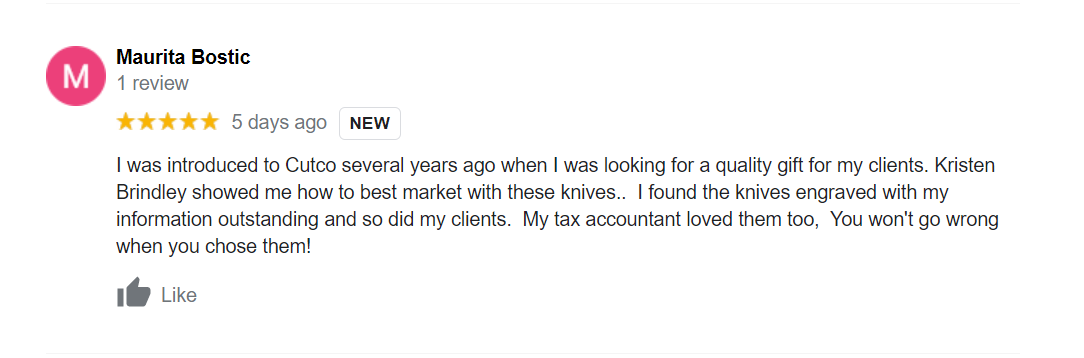
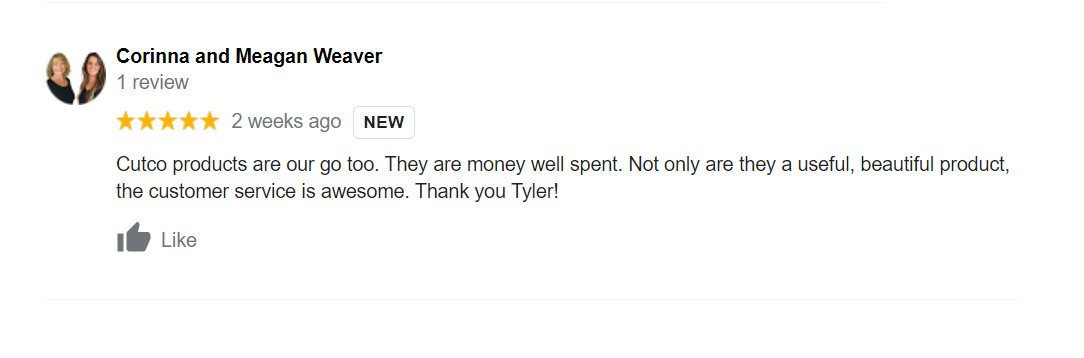
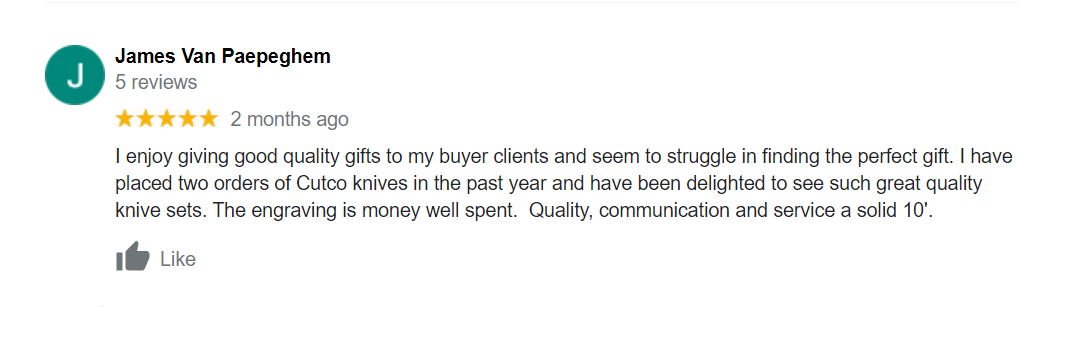
Clients Reviews


"Our mission is to revolutionize the way businesses and sales professionals connect with clients and prospects through the art of strategic gift giving."
Quick Links
Connect With Us!
- Cutting Edge Gifts
1712 Foxwood Dr.
Garner, NC 27529 - (919) 578-3696
- info@cuttingedgegift.com
© Copyright 2025 Cutting Edge Gifts. All Rights Reserved.


