2026
Corporate Gift Etiquette: What Business Professionals Need to Know
By aditya

Corporate gifting seems straightforward until you get it wrong.
The gift that feels generous to you might feel excessive to your client. The timing you thought was perfect might actually be awkward. The personalization you assumed would impress might cross a line you didn’t know existed.
Gift etiquette varies by industry, relationship type, and cultural context. Getting it right strengthens relationships. Getting it wrong creates discomfort that lingers long after the gift is forgotten. In this guide, we’ll cover the essential etiquette rules every business professional needs to know.
Why Etiquette Matters in Corporate Gifting
Etiquette isn’t about following arbitrary rules. It’s about showing respect for the recipient and the professional relationship.
A gift given thoughtfully signals that you understand boundaries, value the relationship appropriately, and care enough to get the details right. A gift that violates etiquette norms signals the opposite, even if your intentions were good.
The stakes are higher than most professionals realize. An inappropriate gift can create awkwardness that damages the relationship. In some industries, it can even create compliance issues or ethical concerns. Understanding the unwritten rules protects both you and your clients.
Rule #1: Match the Gift to the Relationship
The most fundamental etiquette principle is proportionality. Your gift should match the depth and nature of the relationship.
New clients deserve appreciation, but extravagant gifts can feel overwhelming or create uncomfortable obligations. A modest Spatula Spreader or Small Bamboo Cutting Board communicates thoughtfulness without pressure.
Established clients with longer relationships can receive more substantial gifts. A Santoku Trimmer or Medium Signature Series Wilmy Board reflects the relationship’s depth appropriately.
Major transactions or milestone relationships warrant elevated appreciation. Premium items like a 7″ Santoku or curated sets like the Welcome Home Set signal recognition of significant moments.
The goal is ensuring recipients feel appreciated without feeling burdened or confused by disproportionate generosity.
For detailed budget guidance, see our guide on How Much Should You Spend on Corporate Gifts.
Rule #2: Know Industry and Company Policies
Some industries and companies have strict rules about gifts.
Government employees often cannot accept gifts above minimal values. Gifting to government clients requires understanding specific regulations that vary by agency and jurisdiction.
Healthcare professionals face restrictions under anti-kickback laws and institutional policies. What seems like innocent appreciation could create compliance problems.
Financial services professionals may have firm policies limiting gift values to prevent conflicts of interest.
Corporate employees at large companies often must report gifts above certain thresholds or may be prohibited from accepting them entirely.
Before sending gifts to clients in regulated industries, research applicable rules. When in doubt, ask your client directly. A simple “Does your company have any policies around receiving gifts?” shows professionalism and prevents awkward situations.
For clients in financial advising or similar regulated fields, modest gifts with clear business purpose tend to navigate compliance concerns more easily than extravagant personal items.
Rule #3: Time Your Gifts Appropriately
When you give matters as much as what you give.
Transaction completion is universally appropriate. A closing gift for real estate clients, a thank-you gift after car delivery, or appreciation after project completion all make sense contextually.
Anniversaries and milestones provide natural gifting moments. A one-year anniversary of a home purchase or business relationship offers a clear reason for outreach.
Holidays are traditional but crowded. If you gift during December, consider early timing to avoid the rush. Better yet, gift during unexpected times when your gesture stands out.
Avoid gifting during negotiations. A gift sent while deals are being discussed can feel like an attempt to influence the outcome. Wait until agreements are finalized.
Avoid gifting immediately after problems. If a client recently complained or had a negative experience, a gift can feel like a bribe to smooth things over. Address the issue first, then consider appreciation later once the relationship has recovered.
For more on strategic timing, read our guide on The Best Times to Send Client Appreciation Gifts.
Rule #4: Personalize Thoughtfully, Not Intrusively
Personalization enhances gifts when done appropriately. It damages them when it crosses lines.
Appropriate personalization includes:
- Client’s name or family name
- Business name or logo (for B2B relationships)
- Transaction dates or milestones
- General positive messages (“Congratulations” or “Thank You”)
Avoid personalizing with:
- Overly familiar language if the relationship is formal
- References to personal information the client didn’t share directly
- Assumptions about family status, religion, or lifestyle
- Anything that makes the gift feel like surveillance rather than appreciation
A custom engraved cutting board with “The Martinez Family” works beautifully when you know the family. The same engraving feels presumptuous if you’re guessing at their household composition.
When uncertain, default to professional rather than personal. A name and closing date is always safe. Deeper personalization should reflect information the client voluntarily shared.
Learn more in our guide on Best Engraved Gifts for Business Clients.
Rule #5: Keep Branding Subtle
There’s a difference between branded appreciation and branded advertising.
Gifts should feel like they’re for the client, not for your marketing purposes. Subtle branding works. Overwhelming branding backfires.
Appropriate branding:
- Small logo engraved on a knife handle
- Discrete business name on gift packaging
- Business card included with the gift
Inappropriate branding:
- Large logos dominating the product surface
- Promotional slogans across the gift
- Contact information covering the item
- Anything that makes the gift feel like a billboard
The test is simple: Would the client proudly display or use this item? If your branding makes them hesitant to show it to guests, you’ve gone too far.
Products like Cutco knives and premium cutting boards allow for elegant, subtle branding that enhances rather than diminishes the gift’s appeal.
Rule #6: Consider Cultural Sensitivities
In increasingly global business environments, cultural awareness matters.
Gift-giving customs vary significantly:
- Some cultures expect gifts to be opened immediately; others consider this rude
- Certain colors or numbers carry negative connotations in specific cultures
- Religious dietary restrictions affect food and alcohol gifts
- Some cultures view expensive gifts as inappropriate while others expect them
When gifting clients from different cultural backgrounds, research relevant customs or ask trusted contacts for guidance. Universal gifts like quality kitchen tools tend to navigate cultural differences more safely than items tied to specific traditions.
Rule #7: Include a Personal Note
A gift without context feels incomplete.
Always include a card or note explaining the occasion and expressing genuine appreciation. This doesn’t need to be lengthy. A few sentences acknowledging the relationship and wishing them well transforms a package into a meaningful gesture.
Example notes:
- “Thank you for trusting me with your home purchase. Wishing you years of happiness in your new space.”
- “Celebrating one year since we started working together. Here’s to many more.”
- “Your referral meant the world. Thank you for thinking of me.”
Automated Gift Campaigns include handwritten cards with each delivery, ensuring every gift arrives with appropriate context and warmth.
Rule #8: Don’t Expect Anything in Return
Gifts should be given freely without expectation of reciprocation, reviews, referrals, or future business.
The moment a gift feels transactional, it loses its power. Clients sense when appreciation comes with strings attached, and it diminishes rather than strengthens the relationship.
Give because you genuinely value the relationship. If referrals or positive reviews follow, wonderful. But never tie gifts explicitly to expected outcomes.
For ethical approaches to encouraging reviews through appreciation, see our guide on Ethical Strategies for Encouraging Client Reviews.
Rule #9: Be Consistent Across Clients
Inconsistent gifting creates problems.
When some clients receive lavish appreciation while others receive nothing, word spreads. Clients who feel overlooked develop negative impressions, even if the oversight was unintentional.
Build systems that ensure consistent treatment. Programs like Stock Gifts On-Hand keep pre-engraved inventory ready so you never miss an opportunity. Drop Ship Gifts allow immediate sending whenever occasions arise.
Consistency doesn’t mean identical gifts for everyone. It means appropriate appreciation for everyone based on relationship type and transaction value.
Final Thoughts
Corporate gift etiquette comes down to respect. Respect for the recipient, respect for the relationship, and respect for professional boundaries.
Match gifts to relationship depth. Know industry policies. Time your gestures appropriately. Personalize thoughtfully. Keep branding subtle. Consider cultural factors. Include personal notes. Give without expectation. Be consistent.
Follow these principles, and your gifts will strengthen relationships rather than create awkwardness.
Ready to build an etiquette-conscious gifting program? Explore our programs or contact us to create a strategy that impresses clients while respecting professional boundaries.Subscribe To Stay Updated With Latest News And Discounts






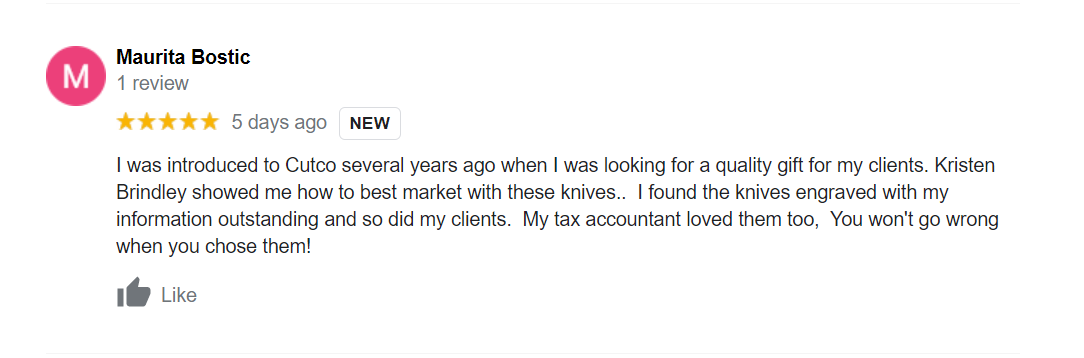
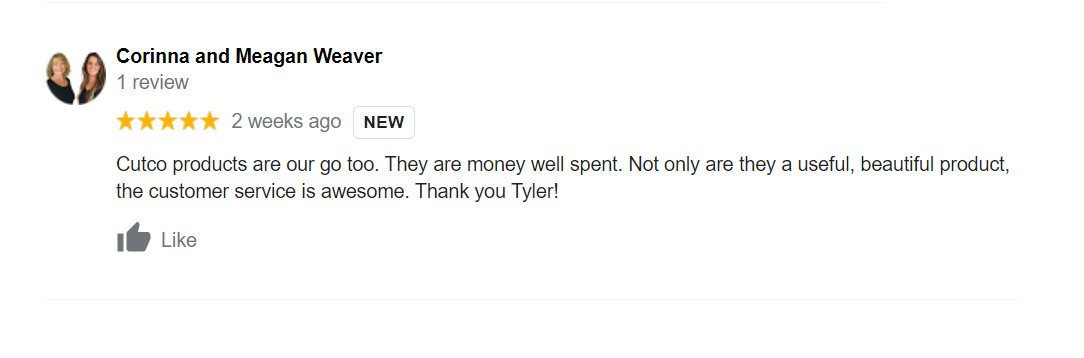
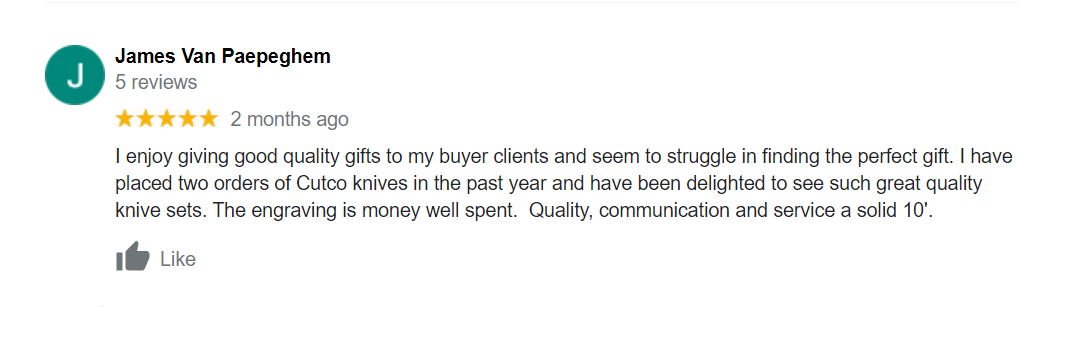
Clients Reviews



"Our mission is to revolutionize the way businesses and sales professionals connect with clients and prospects through the art of strategic gift giving."
Quick Links
Connect With Us!
- Cutting Edge Gifts
1712 Foxwood Dr.
Garner, NC 27529 - (919) 578-3696
- info@cuttingedgegift.com
© Copyright 2025 Cutting Edge Gifts. All Rights Reserved.


